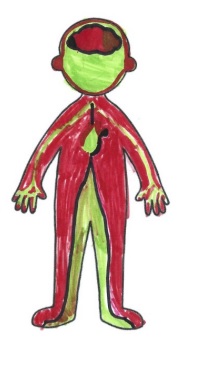
Welcome to Multilingualism
"Learning new words is like making new friends"
A project unlocking the potential of multilingualism in schools to enhance learning, enjoyment of languages, and engagement.
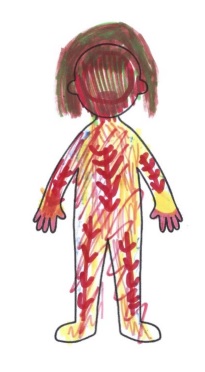
1 in 5
school-aged children in England have a language other than English at home
1 in 3
nursery-age children in England have a first language that is not English
over 50%
of school-aged children in some local authorities have a first language which is not English*
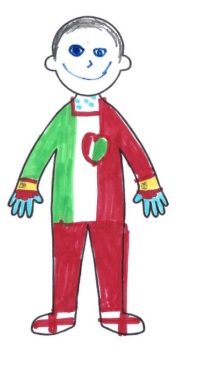
When multilingualism is the lived reality of so many children and young people, why is multilingualism not represented in our literacy teaching?
By shutting children’s languages and dialects out of the classroom, we are denying them the chance to express their full authentic voices and to explore what language means in their lives.
Multilingual creative writing is a powerful way to invite children to use their voices, play with language and reflect on what language and expression means to each of them.
* These figures are based on government data from June 2023 about children attending state-funded schools and nurseries.
About the Project
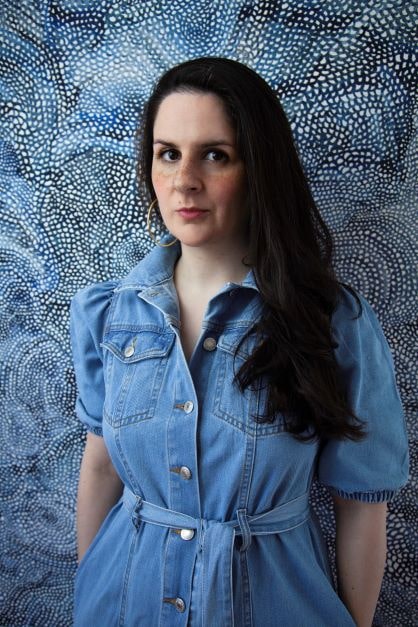
My name is Karina Lickorish Quinn and I am a novelist and a lecturer in Creative Writing at Royal Holloway University of London. I am Peruvian and British and I grew up bilingual. One of my early memories of school is being asked to write a diary entry about my weekend and writing some Spanish words in my piece. I remember my work coming back with thick red pen crossing out and mistranslating my Spanish words and how angry and misunderstood I felt. Since then, I have believed multilingual children should have the opportunity to bring their language skills to their writing in the school classroom.
In January to April 2023, I arranged for three professional multilingual writers to conduct multilingual creative writing workshops with a class of children at a South London Primary School. The children worked with the poets Leo Boix and Ankita Saxena, and the rapper Mr Breis. Through these workshops, the children explored how to write poems in two or more languages in one text; how to rhyme across languages; how to write a multilingual poem in ways that accommodate a monolingual reader; and how to write about memories and experiences that reflect our heritage like migration, food, clothing and family celebrations.
To explore the impact of the workshops on the children’s learning, I conducted interviews with the children, parents and with their classroom teacher. I also kept copies of the children’s work to analyse the new writing skills they were developing through writing in two or more languages at once.
“It makes me feel happy because I get to experience trying to write words in other languages and I learn more and more each time I do this.”
Pupil
"Children who don’t often put their hand up in class have been really vocal in these sessions"
Teacher
“My son felt proud to go to class and show his classmates a different language.”
Parent